

Industry
Industry Insider: Dani Oliva on Leading with Pride and Purpose in Music
In this Industry Insider interview, Errant Records founder Dani Oliva discusses his career, lessons learned, and his advice to LGBTQ artists.
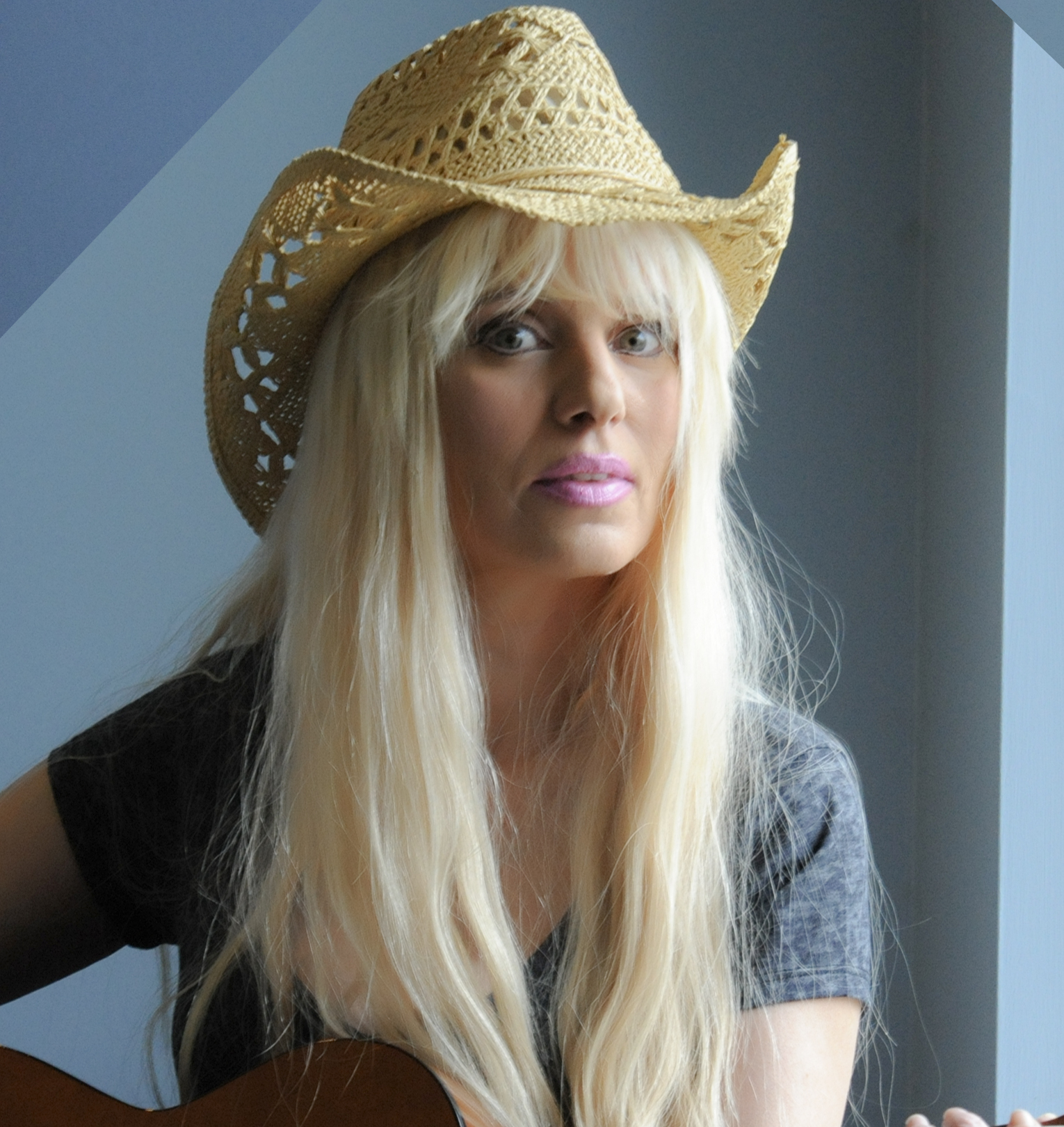

Dani Oliva is a powerhouse in the music industry, an entertainment attorney, business strategist, and the founder of Errant Records (read news here), a trans-owned, LGBTQ+ run Canadian label championing artist-first values and bold, diverse talent. With over 20 years of experience advising GRAMMY winners and major music companies, Dani is now redefining what inclusive, independent music leadership looks like.
In this Industry Insider interview, he shares insights from his journey, advice for aspiring label founders, and his vision for a more equitable music future.
You’ve had a dynamic career as an entertainment attorney and business strategist. What originally drew you to the music industry, and how did your legal background shape your entry into it?
Dani Oliva: “I was initially drawn to music and the folks that make it. When I was younger, music helped me navigate a lot of difficult issues, and that’s what caused me to start working on music projects. I was actually working in music for many years prior to going to law school. I had several different jobs: marketing, promoter at music venues, management… When I was in management, I was getting contracts for the music acts I was managing and sought out help from an entertainment lawyer. I then interned for a music lawyer. After that, I decided to pursue music law as I thought it was the best way I could help artists.”
What motivated you to make the leap from advising artists and companies to founding Errant Records? Was there a pivotal moment that sparked the shift?
“I’ve always wanted to have my own label. When I graduated from law school in 2012, I tried then to start one but couldn’t find the right relationship fit on the music or business side. More recently, I’ve been working with a lot of clients on their major label and independent label projects and found that they were not receiving the support they needed for various reasons.
“There were also a lot of music artists that I really loved and I’d shop them to various labels, but they did not have the required streaming revenue for labels to be interested in signing them, despite having all of the other factors that make a wonderful artist. So I thought, I’ll sign them myself.”
Errant Records is rooted in boldness and inclusion. How do you intentionally cultivate a culture of artist-first representation and diversity at the label?
“Listening. I think listening is key to most things. Listening to what artists feel they need. Also, maximize opportunities for aspects of artists’ businesses that they’re good at and enjoy. Diversity to me is about cultivating new relationships outside your typical avenues and supporting communities outside your own; a lot of opportunities stem from that.”
As the first openly transgender executive at a major music company, how has your lived experience shaped the mission and structure of Errant Records?
“As a queer trans person, I’m sensitive to and aware of people’s roadblocks in their personal and professional journeys, and I think that can be helpful in determining how best to support folks, and also contribute to the atmosphere, mission, and structure at Errant. The music industry is an extremely competitive and difficult space to navigate. At Errant, I think we’ve been great at cultivating a warm, welcoming, and supportive environment.”
What qualities do you look for when signing new talent to Errant Records, and how should new label founders think about artist discovery and alignment with their brand?
“I look for kind folks first and foremost. I look for folks who have spent time cultivating their craft, whatever it may be, songwriting, live performance, vocal performance, or production. Errant is genre-less; I’m never looking to sign a particular genre, but I do look for a unique identity. The artist or band need to know who they are and have something to say.
“I’m not sure how to answer the question concerning new label founders. I would say spend time on discovery and sign artists that move you!”
For those hoping to work at a label like Errant Records, whether in A&R, management, or legal, what skills or experiences should they be actively building?
“This question is really broad! It’s hard for me to answer. I would say spend time learning your craft, whatever it is. When I want to learn something, I try to get as many books as I can on the topic, read as much as I can and seek out mentors.
“Also, in all of these fields, I think it’s helpful to have something specific to offer. For example, I’m always seeking out professionals in very specific areas of the industry. Recently, I was seeking out a CPA or business manager to assist with digging into statements for digital performance royalty earnings.”
What’s a common misconception aspiring music business professionals have about working with artists or running a label that you’d like to debunk?
“I think folks underestimate how hard it truly is. Not only do you have to have the skills, knowledge, and experience, but you have to cultivate the relationships to truly make it a career, and that takes a lot of time, research, and outreach.”
With your expertise in intellectual property and publicity rights, what’s one legal issue you think up-and-coming artists or label founders often overlook, but absolutely shouldn’t?
“I think less of a legal issue and more of a practical one.
“Just because you sign to a label deal, be it independent or major, doesn’t mean you’ve ‘made it;’ the work has just started. I always encourage artists and their representation to, when relevant and possible, get an advance to cover their living expenses for the year(s) that they’re working on and promoting the EPs/albums they’re required to deliver. Also, I know a lot of artists who have part-time jobs outside the industry. That’s the reality of the music business.
“When it comes to label deals, do a lot of investigation and spend time with the various label team members. Talk to the marketing department, talk to the president, ask about previous artists your A&Rs have worked with (or currently work with), ask other artist teams that are signed to the same labels about their experience. If you’re an artist with a lot of buzz outside of North America and you’re signing to a major label in North America, ask how the label supports artists overseas, or vice versa.
“Also, be aware of artificial intelligence; include that your work should not be used for AI training or AI uses without your written permission.”
How important is business strategy for independent creatives today, and what role can emerging professionals play in helping artists navigate that side of their careers?
“Other than being good at your craft and having a unique identity, marketing and business strategy are the most important. You can have incredible songs and be amazing live, but if there is no one to see or hear you, a music project can fall flat.
“Unfortunately, I’ve seen it happen to so many great artists. Emerging professionals can assist a lot, but need to dig into an artist’s strengths, study the current marketing landscape, follow the data, and come up with unique ideas outside of the typical digital marketing strategies to propel an artist forward. Also, I find folks do not take the time to explore markets outside their own; Conversely, sometimes they don’t dig into their own current neighbourhood!”
Looking ahead, what do you hope Errant Records contributes to the broader music ecosystem in the next five to ten years?
“Financial equity and transparency for artists, solidifying global relationships, and unique/breaking sound. I would really like to help artists create long-term, sustainable careers without burnout.”
What advice would you give to LGBTQ+ or trans individuals trying to break into the music industry—not just as artists, but as executives and industry changemakers?
“Seek out mentors. I would encourage folks to seek out mentors who have a different background and experience from them, as well as industry friend support within the LGBTQ+ community. Don’t be afraid to ask; if you don’t ask, you’ll never know. What’s the worst thing someone can say, no? When you ask for help or support, be cognizant and thankful for people’s time; it goes a long way. If you don’t see someone like you doing something, don’t let it stop you from trying it. Also, a lot of folks are worried about being pigeon-holed as an LGBTQ+ or as a Trans artist. I say use the strengths you have, which include being LGBTQ+.”
What’s one lesson you’ve learned in building Errant Records that you wish someone had told you at the start?
“I have had a lot of starts and stops. I wish someone would have told me it will come together when it’s meant to happen, which is right now.”


Europe: “We’ve always said we should stay adventurous, do things the way we want and do what feels right.”

Isla Rose Dismantles Her Past on New Single “Strip Out Every Part of Me” [Premiere]

The Falling Doves Herald New Chapter with Anthemic Single “Blinded By Your Love” [Premiere]

Empires In Orbit Share Their Top 10 Horror Movies

Kottonmouth Kings Debut “California Burning” Music Video

UnCovered: Glenn Morrow Mulls Over His ‘Our Final Album-Vol. 1’ Artwork

The Interrupters Unveils Their “Warrior Spirit” Music Video

Alex Henry Foster Shares His “Calling Out!” Music Video


-
 Music4 days ago
Isla Rose Dismantles Her Past on New Single “Strip Out Every Part of Me” [Premiere]
-
 Alternative/Rock3 days ago
The Falling Doves Herald New Chapter with Anthemic Single “Blinded By Your Love” [Premiere]
-

 Metal4 days ago
Fugit Premiere Their Transcendent Single “Where foxes say goodnight”
-

 Indie4 days ago
Virato Releases Atmospheric New Single “May Flowers”
-

 Alternative/Rock4 days ago
Hooked Like Helen Delivered Hooks Like Pop Rock Royalty with the Vocals of a Siren in Las Vegas [Film Forward]
-

 Alternative/Rock4 days ago
The Neighbourhood Takes Over Vancouver’s Rogers Arena [Photos]
-

 Album News4 days ago
New World Man Debuts “Devil Time” feat. Eternal Champion
-

 Country/Americana4 days ago
Thomas Rhett & Blue Highway Records Launch Fifty-One/Forty-Nine Records